Logistics Services 101: The Complete Guide for Optimal Logistics
Transport services are an essential element of logistics. They include various modes, including private vehicles, public transit, and freight services. Identifying the right transportation option demands several factors, such as cost and efficiency. In addition, technology plays a vital role in enhancing operations. Recognizing these elements can result in better decision-making. However, as the transportation landscape continues to evolve, what novel trends and strategies should one consider for future success?
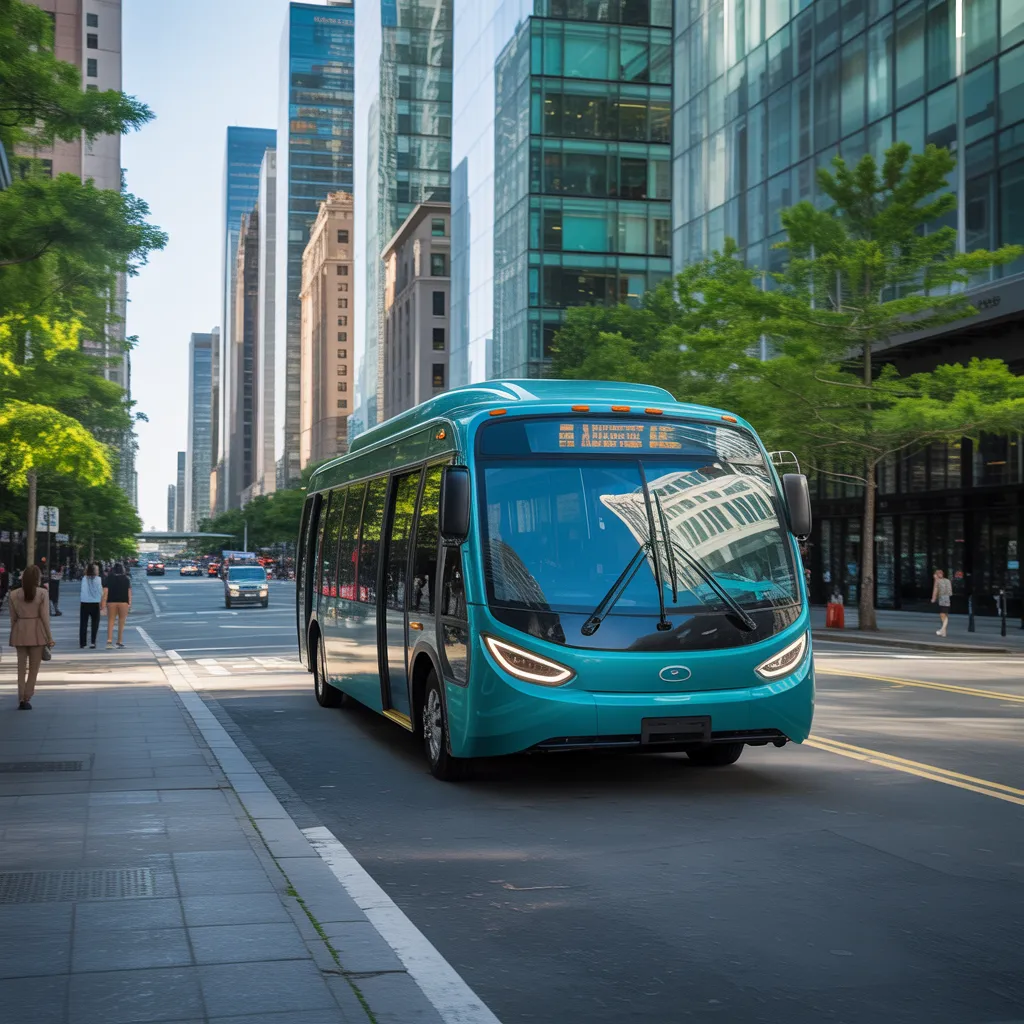
Grasping Various Methods of Transportation
Though numerous people depend on personal vehicles for daily commutes, understanding various modes of transportation reveals a more comprehensive landscape of options that serve multiple needs. Public transit systems, including buses and trains, offer cost-effective solutions for large populations, reducing road congestion and environmental impact. Ridesharing services, such as Uber and Lyft, present convenience for those who prefer not to drive. Bicycles and e-scooters have acquired popularity, particularly in urban areas, promoting eco-friendly commuting while improving mobility. Freight transportation options, including trucks, rail, and shipping, are critical for logistics and supply chains, ensuring goods reach their destinations efficiently. Each mode has distinctive advantages, catering to diverse preferences and situations. By recognizing these alternatives, individuals and businesses can make informed decisions, optimizing their transportation choices for comfort, cost, and environmental sustainability. Understanding the diversity of transportation services available empowers users to select the ideal option for their individual circumstances.
What to Consider When Choosing Transportation Services
When picking transportation services, clients must evaluate several key factors that can significantly impact their experience. First, the type of goods being transported plays an essential role in determining the most suitable service. Fragile or perishable items may require specialized handling and climate control, while bulk commodities might need different logistics.
Financial investment is another vital consideration; prospective clients must assess their budget against the pricing structures of numerous service providers. Promptness and trustworthiness are equally essential; reviewing delivery times and service past performance can help customers avoid holdups.
Furthermore, service area coverage should be assessed to confirm that the service can reach the target destinations without complications.
Lastly, the standing and customer support of the transportation provider can shape the entire experience and satisfaction. By thoroughly evaluating these elements, individuals can make well-informed choices that enhance their logistics needs.
The Role of Technology in Transportation Logistics
Technology plays an essential role in enhancing transportation logistics by incorporating automation, real-time tracking systems, and data analytics applications. These improvements optimize operations, improve efficiency, and deliver valuable insights for decision-making. As the industry progresses, understanding the impact of these technologies becomes increasingly important for effective logistics management.
Transportation Automation
A major transformation in the logistics field is powered by automation in transportation, redefining how goods are transported from one point to another. This transformation is predominantly supported by advancements in technologies such as robotics, artificial intelligence, and autonomous vehicles. Automated systems optimize operations, lowering human error and increasing efficiency. For instance, robotic process automation can optimize warehouse management, hastening inventory handling and order fulfillment. Additionally, autonomous trucks and drones are emerging as viable options for long-haul and last-mile deliveries, offering reduced labor costs and improved delivery times. As these technologies advance further, businesses are increasingly implementing automation strategies to remain competitive, ensuring a more efficient and responsive logistics environment tailored to modern demands.
Real-Time Tracking Technology
Real-time tracking platforms are indispensable tools that strengthen oversight and clarity within transportation logistics. Such systems use GPS and RFID technologies to track the position and condition of shipments throughout their journey. By supplying exact, current information, they support better decision-making for logistics managers and enhance communication between stakeholders. This capability enables swift responses to potential delays or disruptions, finally optimizing delivery times. Additionally, real-time tracking fosters accountability among carriers, as clients can oversee their shipments closely. The integration of these systems not only streamlines operations but also increases customer satisfaction by supplying trustworthy updates. Consequently, real-time tracking has become a essential component of modern logistics strategies, driving productivity and performance in transportation services.
Data Analytics Implementations
Utilizing the power of data analytics, transportation logistics can significantly boost operational efficiency and decision-making processes. By evaluating historical data and real-time metrics, logistics managers can identify trends, optimize routes, and forecast demand with enhanced accuracy. Predictive analytics empowers companies to anticipate potential disruptions, facilitating proactive measures to mitigate delays. Furthermore, data visualization tools provide clear insights, facilitating better communication among stakeholders. Integrating data analytics into supply chain operations not only optimizes resource allocation but also reduces costs by uncovering inefficiencies. As technology continues to evolve, the application of data analytics in transportation logistics will remain critical, driving innovation and competitiveness in the industry. In the end, the intelligent use of data enables smarter logistics solutions.
Navigating Compliance Requirements and Compliance in the Transportation Industry
In what ways can transportation businesses effectively navigate the intricate landscape of regulations and compliance? To maintain smooth operations, firms must stay informed about local, national, and international regulations governing their industry. This entails understanding transportation safety standards, environmental regulations, and customs requirements.
Setting up a compliance management system is crucial; this system should include regular training for staff, audits, and updates to policies as regulations change. Partnering with legal experts and industry associations can deliver valuable insights and guidance on complex regulatory concerns.
Furthermore, using technology like compliance management software can optimize processes, helping companies maintain accurate records and manage reporting requirements efficiently.
Finally, a preventive approach to compliance not only minimizes the risk of fines and penalties but also enhances a company's reputation, promoting trust with clients and stakeholders in the demanding transportation sector.
Financial Management Strategies for Transportation Services
While many transportation companies emphasize service quality and regulatory compliance, effective cost management strategies are just as important for keeping profitability and competitiveness. One key strategy consists of optimizing route planning to lower fuel consumption and transit times. By using advanced software tools, companies can pinpoint the most efficient paths, reducing operational costs substantially.
One more way is to consistently evaluate and negotiate contracts with suppliers and carriers to obtain favorable rates. Setting up a robust maintenance schedule for vehicles can also stop costly repairs and downtime, delivering a more reliable service.
Investing in technology, such as telematics and fleet management systems, enables companies to monitor performance metrics and pinpoint areas for improvement. Moreover, promoting workforce training can boost productivity and decrease inefficiencies. By focusing on these cost management strategies, transportation services can sustain their operations while remaining competitive in a challenging market.
Key Approaches for Efficient Supply Chain Management
Efficient supply chain management is vital for guaranteeing streamlined operations and meeting customer demands in today's rapidly-evolving market. To achieve this, companies should adopt several best practices. First, they must focus on collaboration among all stakeholders, including suppliers, manufacturers, and distributors. This promotes transparency, allowing quicker decision-making and problem resolution. Second, utilizing technology such as supply chain management software increases visibility, enabling real-time tracking of inventory and shipments.
Furthermore, employing demand forecasting methods helps in optimizing inventory levels, decreasing excess stock, and decreasing shortages. Regular performance assessments and key performance indicators (KPIs) promote continuous improvement, recognizing bottlenecks and inefficiencies. Moreover, investing in employee training guarantees that team members are supplied with the necessary skills and knowledge to accommodate changing market conditions. By adopting these best practices, organizations can enhance operations, cut costs, and ultimately enhance customer satisfaction in an increasingly competitive landscape.
Future Trends in Transportation Services
Transportation services' future is progressively molded by the integration of autonomous vehicles and a focus on sustainable solutions. As technology evolves, companies are exploring how self-driving technology can elevate efficiency and safety in logistics. Additionally, the shift towards eco-friendly transportation options reflects a growing commitment to reducing environmental impact.
Self-Driving Vehicle Integration
Self-driving vehicle integration marks a substantial shift in the landscape of transportation services, promising to boost efficiency and safety on the roads. This advanced technology enables vehicles to operate without human intervention, employing advanced sensors, artificial intelligence, and machine learning. Companies are progressively exploring the potential of autonomous fleets for logistics, reducing human error and optimizing delivery routes. The implementation of driverless vehicles is expected to reduce operational costs, improve fuel efficiency, and decrease traffic congestion. Furthermore, regulatory frameworks are evolving to accommodate these innovations, ensuring safe integration into existing transportation networks. As industries adapt to this emerging technology, businesses can expect to see significant impacts on supply chain management and urban mobility, establishing a more streamlined future in logistics.
Eco-Friendly Transportation Solutions
While transportation systems develop alongside breakthroughs such as autonomous vehicle adoption, emphasis is steadily transitioning to sustainable transportation solutions. Businesses are committing resources to electric and hybrid vehicles to decrease carbon emissions, supporting global environmental goals. Breakthroughs including alternative fuel sources, like hydrogen and biofuels, are being explored to further enhance sustainability. Additionally, logistics businesses are optimizing route planning through advanced software, lowering fuel consumption and boosting efficiency. The integration of public transportation options, such as bike-sharing and electric scooters, is also increasing in popularity, fostering a multimodal approach to urban mobility. On the whole, the shift to sustainable transportation solutions represents a commitment to environmental stewardship while addressing the expanding demand for efficient logistics in an eco-conscious marketplace.
Commonly Asked Questions
How Can I Determine the Right copyright for My Requirements?
To find the best copyright, one should evaluate service reliability, cost-effectiveness, shipping speed, and geographical coverage. Gathering quotes, reading reviews, and assessing the copyright's track record can also assist in making an informed decision.
What Insurance Options Are Available for Transportation Services?
Different insurance choices for transportation MCO Airport Transfer services include cargo insurance, liability coverage, and motor truck cargo insurance. Each choice secures different parts of the shipping process, allowing businesses manage risks linked to potential damages or losses.
What's the Best Way to Track My Shipments in Real-Time?
Real-time tracking of shipments can be accomplished through GPS-enabled systems, mobile applications, or online platforms delivered by logistics firms. These tools enable users to monitor the position and status of their shipments at any given moment.
What Are the Common Challenges in Transportation Logistics?
Standard obstacles in transportation logistics include poor planning strategies, inadequate information sharing, surprise setbacks, missing real-time visibility, and failure to optimize routes. These issues can cause elevated expenditures, unhappy customers, and inefficiencies in the supply chain.
How Do I Manage Disruptions and Delays in Service?
To handle delays and service disruptions, one should communicate proactively with stakeholders, investigate the underlying cause, implement alternative strategies, and continuously monitor operations. Flexibility and openness are critical for sustaining trust and reducing disruption on logistics.